

Delivers high current accuracy, excellent stability, low current ripple, and fast dynamic response simultaneously.
Features ultra-high output capability, reduces the unit power generation cost, and ensures efficient operation across the entire power range of the system.
Equipped with high control resolution and fiber/network monitoring interfaces, enabling fiber-optic synchronous signal trigger control.
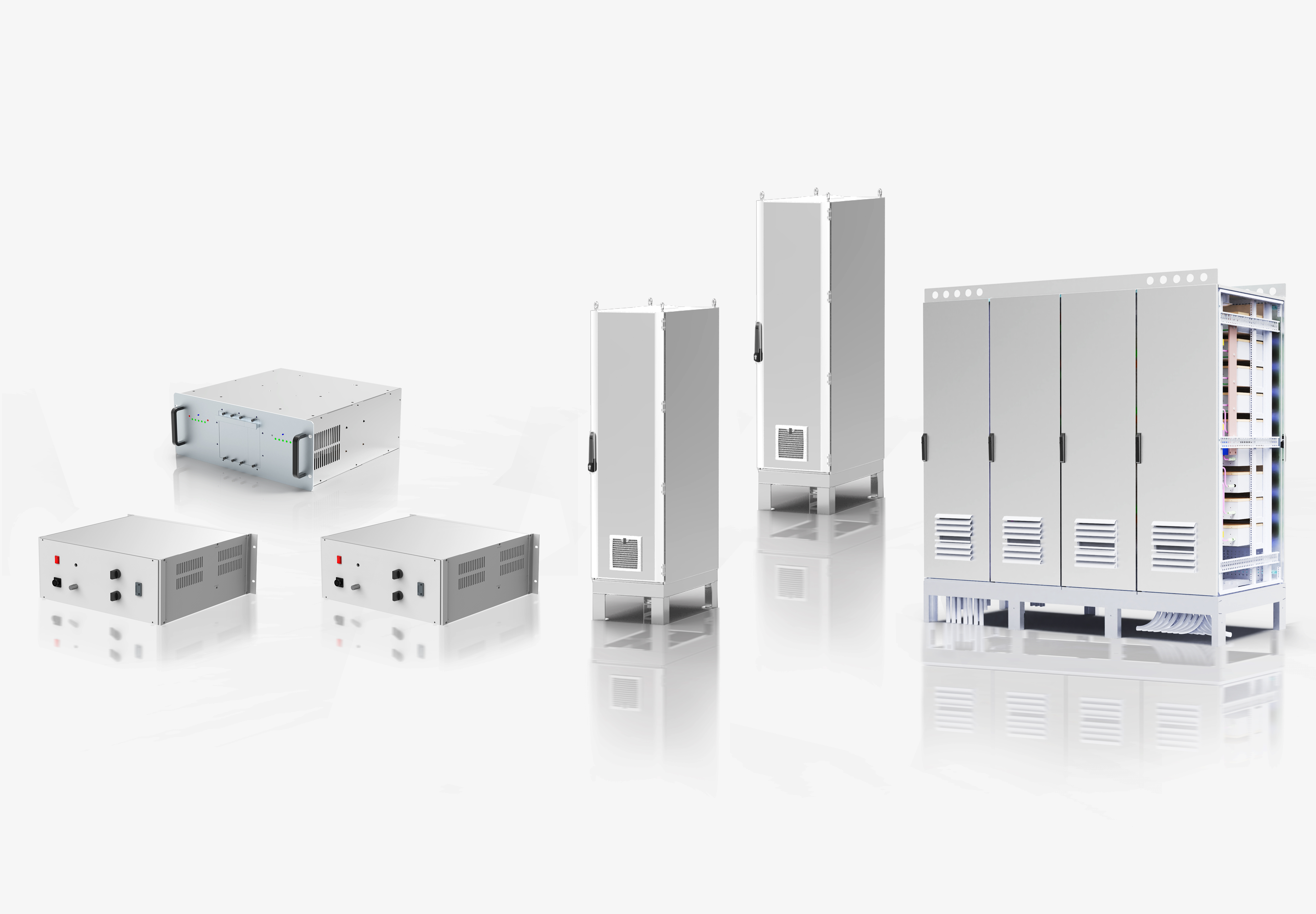

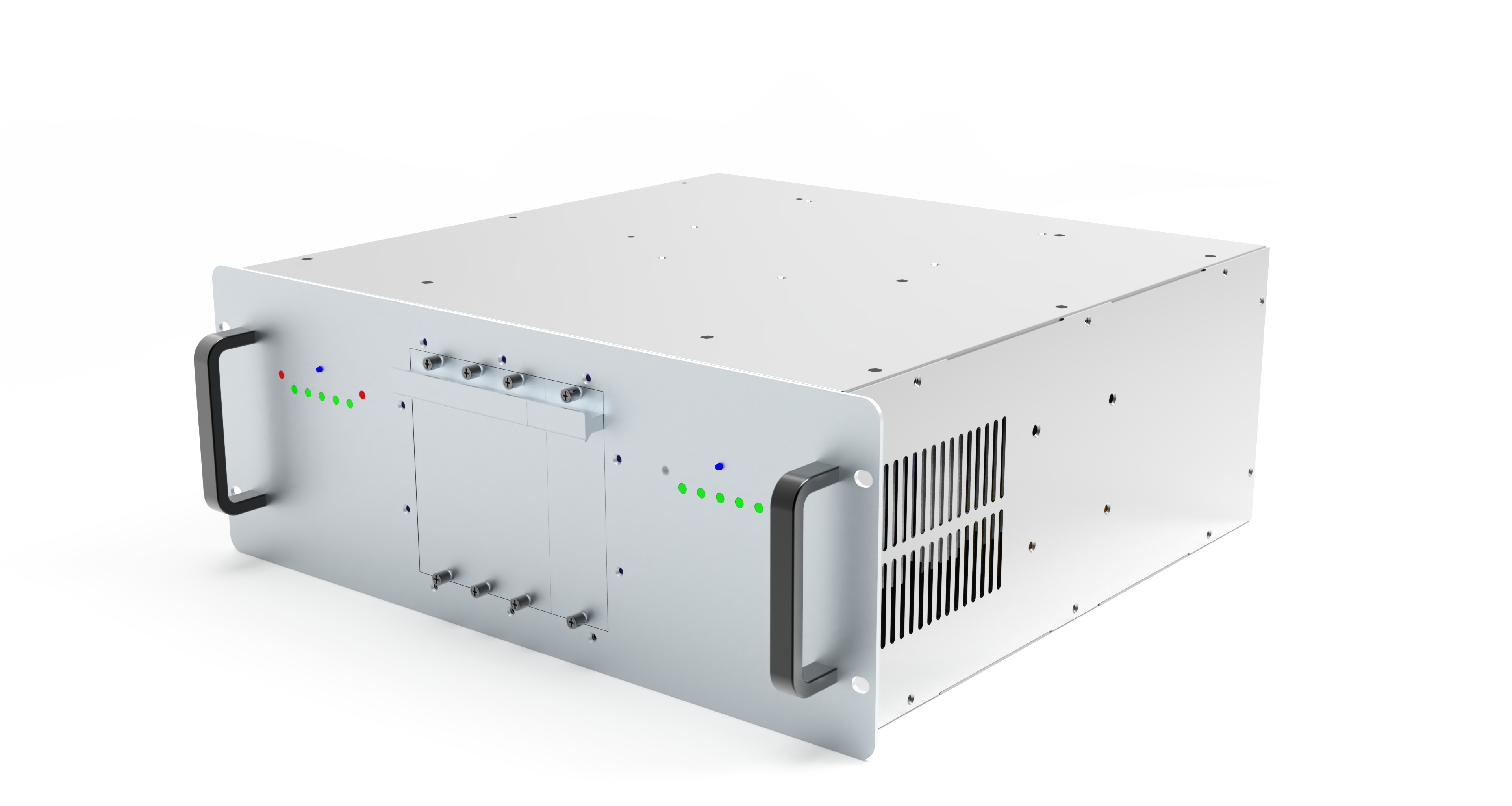
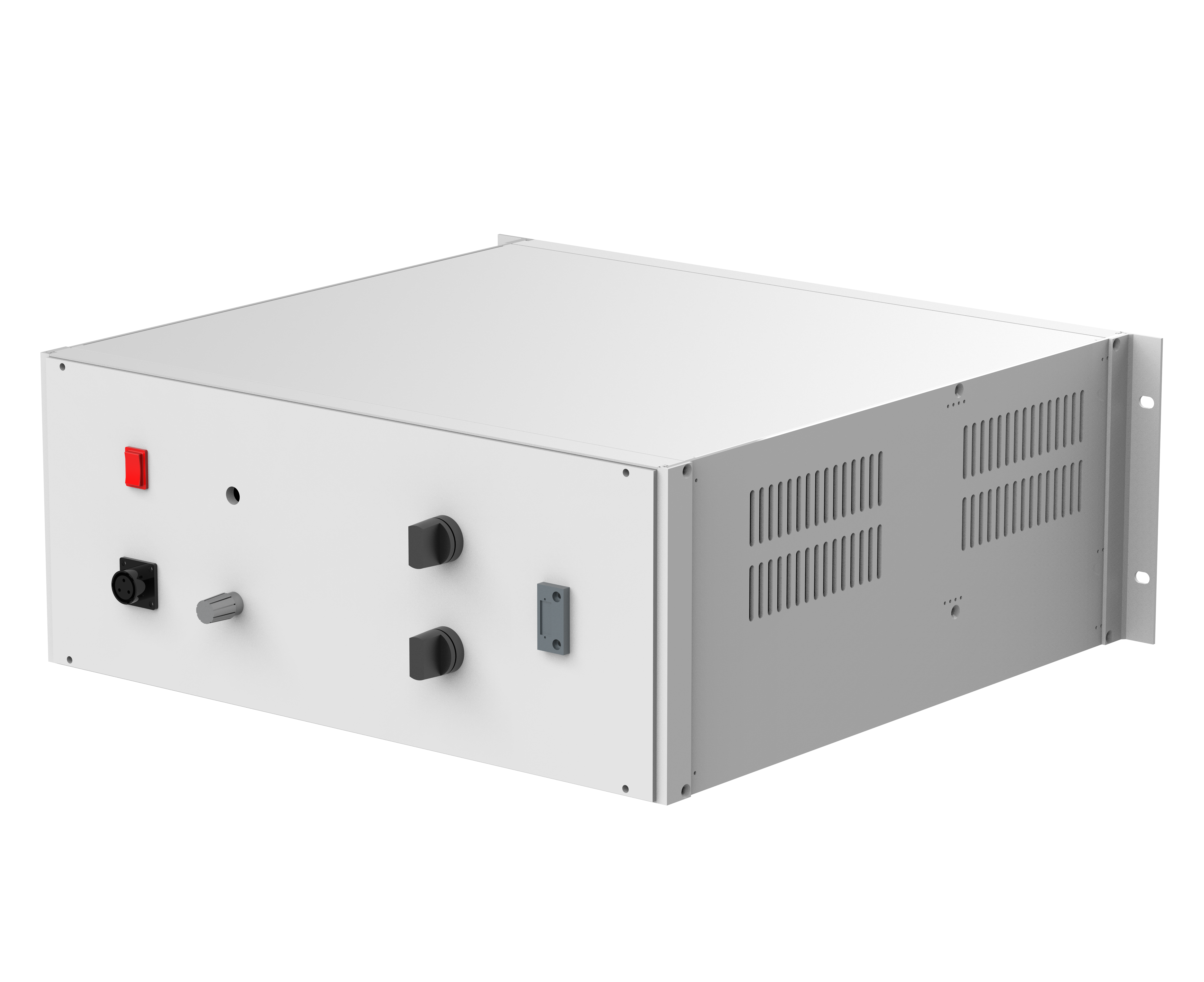

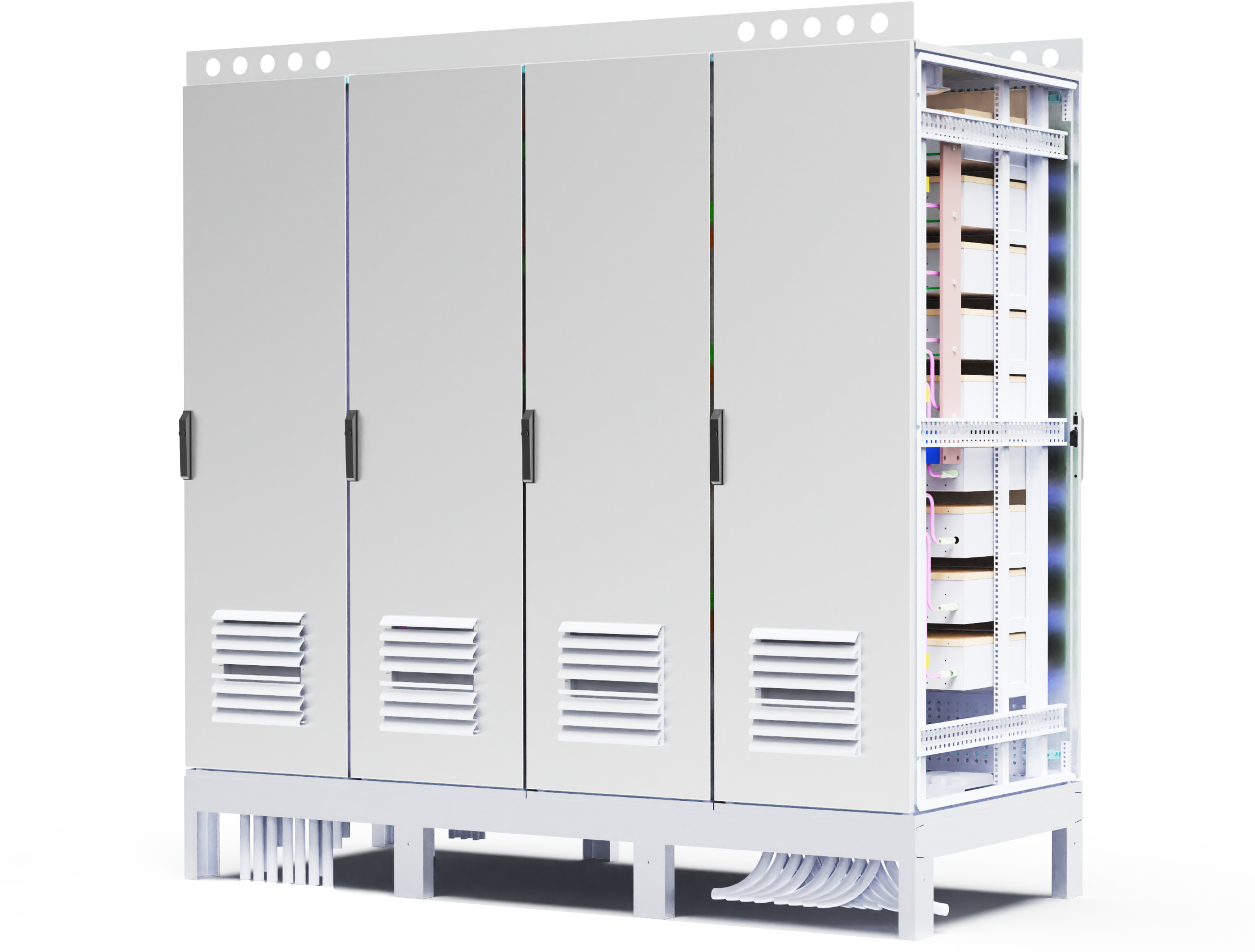
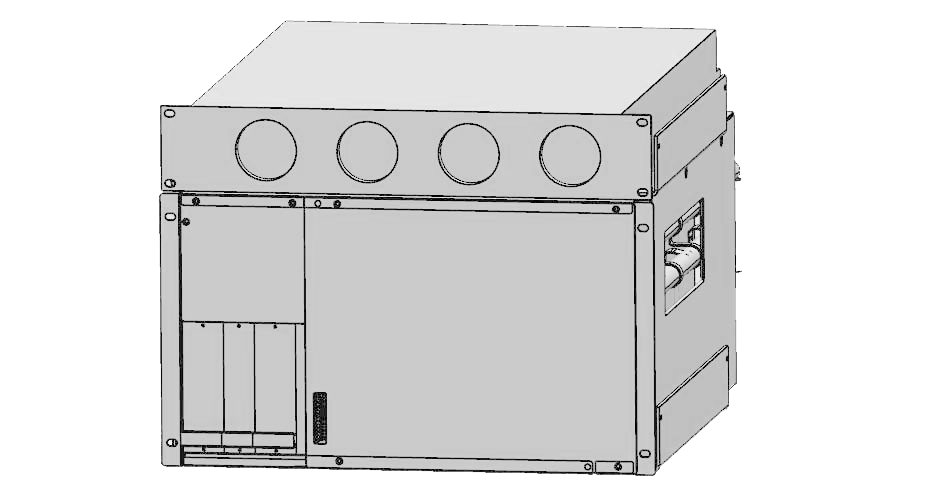
The six-pole magnet power supply PLD5600-DAL112 provides appropriate excitation current for the electromagnet, thereby generating suitable excitation magnetic potential to achieve motion control of the controlled particles. The six-pole magnet power supply has very strict requirements for output current stability and regulation accuracy
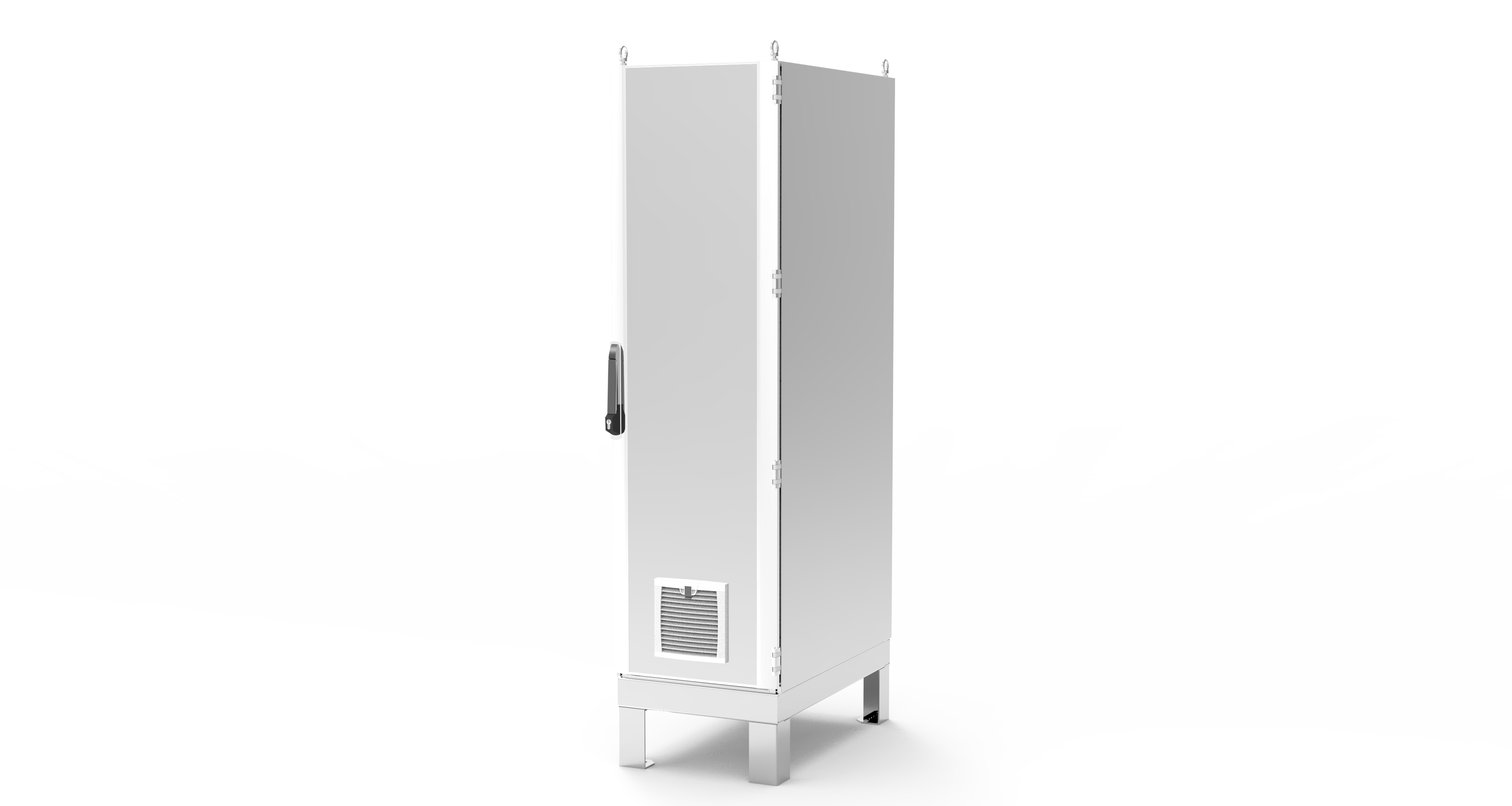
The treatment head scanning power supply ScanV PLD72K-DAL102 provides appropriate excitation current for the scanning magnet, enabling precise deflection of the beam. It has extremely strict requirements for the stability, regulation accuracy, and dynamic response capability of the output current.
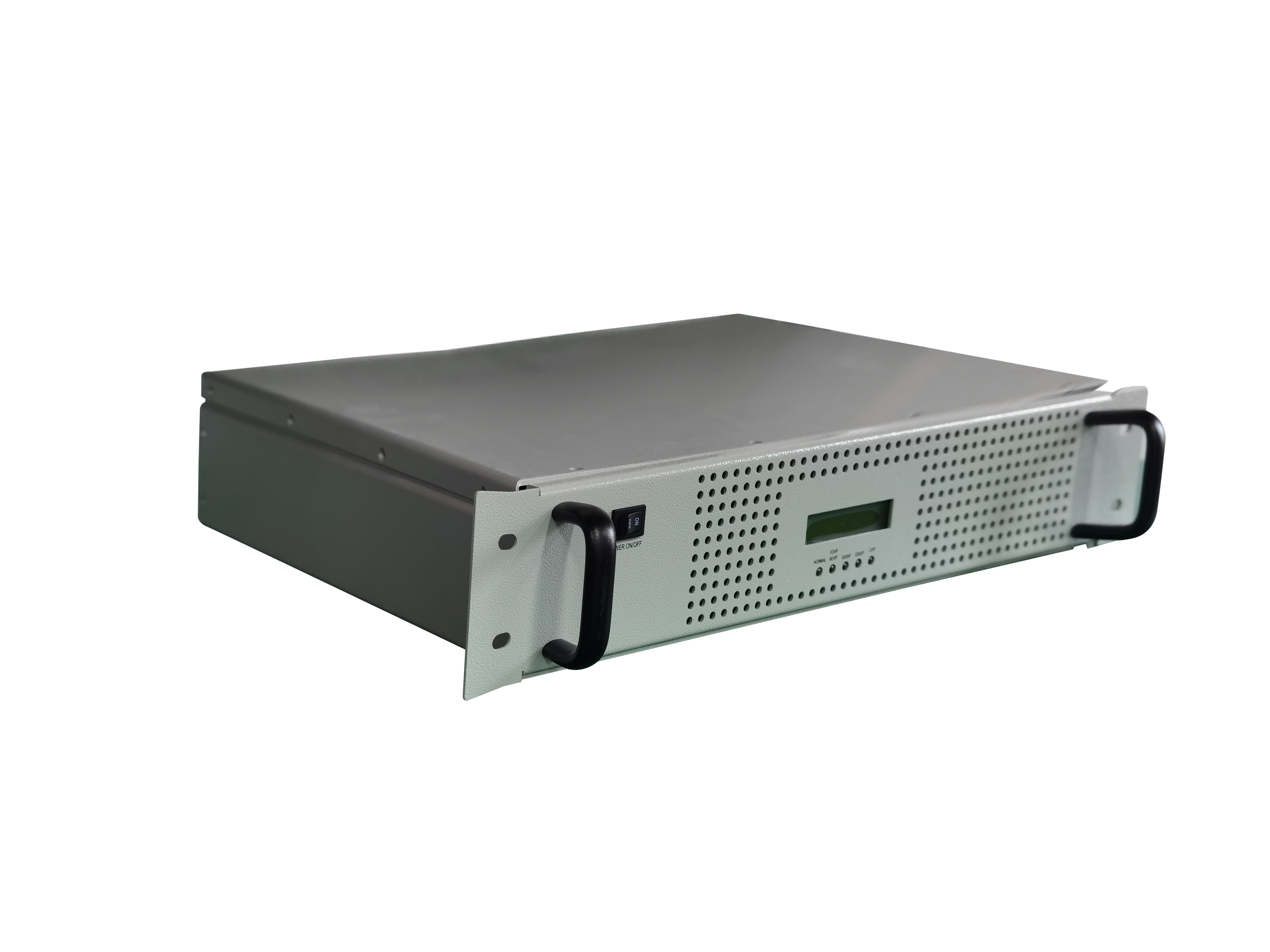
3kW High Voltage Output Power Supply is a high voltage output power supply with APFC. The model support two output mode: DC output mode & Pulse output mode.
The Abort Kicker Magnet Power Supply mainly provides excitation current for the corresponding magnet. The operating current of the magnet power supply works at a set value or zero, and is controlled by timing synchronization pulses. There are physical requirements for the speed of its rise, fall and jump.
The ScanU scanning power supply PLD25K-DAL101 for the treatment head provides appropriate excitation current for the scanning magnet, enabling precise deflection of the beam. It has extremely strict requirements for the stability, regulation accuracy, and dynamic response capability of the output current.
The quadrupole magnet power supply PLD250-DAL110 comes in two specifications: thin quadrupole iron and thick quadrupole iron. Their main function is to focus the protons in the electron beam, enabling the protons to perform linear acceleration motion. They only differ in the degree of focusing, and ultimately both aim to prevent protons from deviating.


 +86-25-85582306
 sales@powerlandtech.com